





Azle Practice Areas
AZLE TRUCK ACCIDENT ATTORNEY
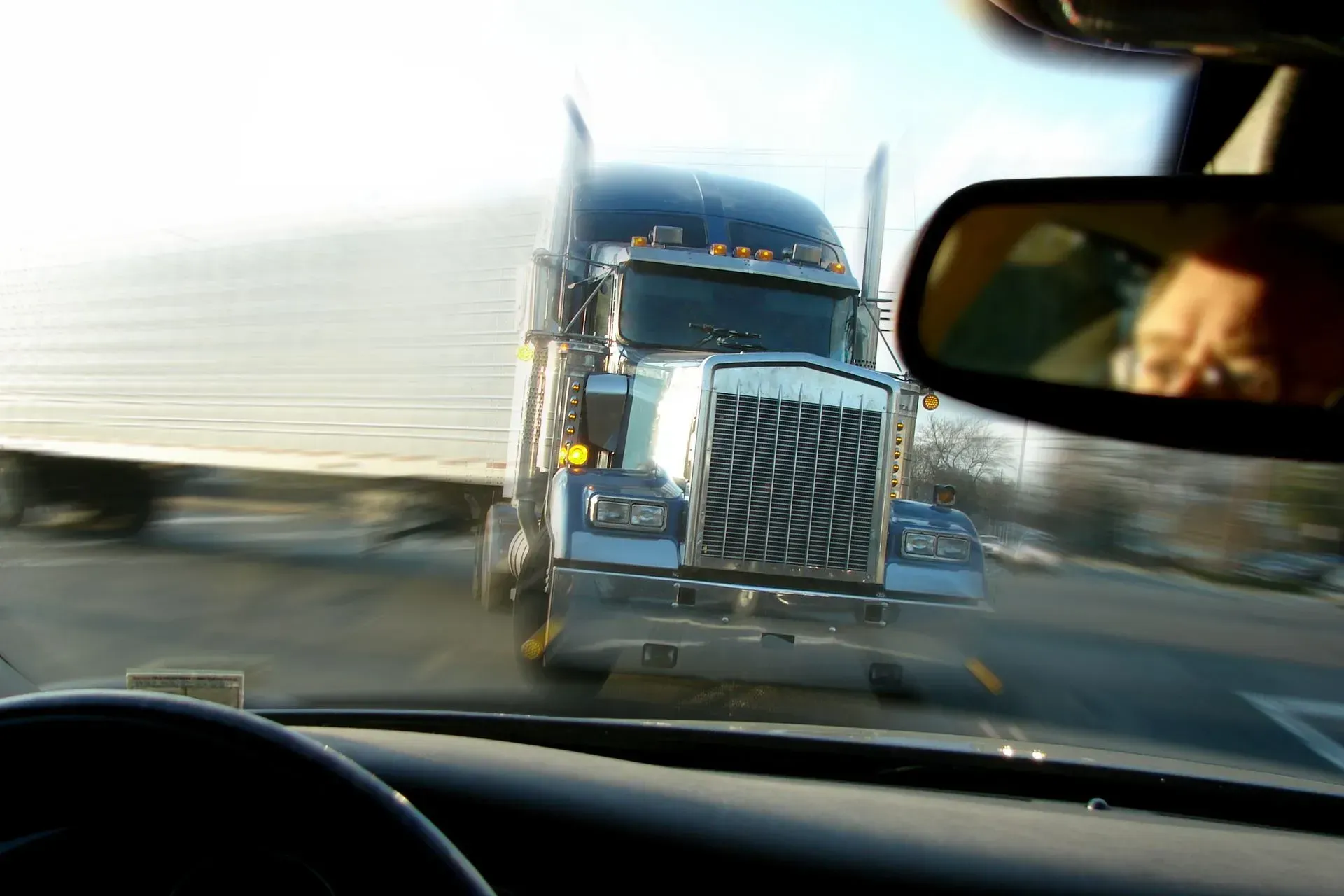
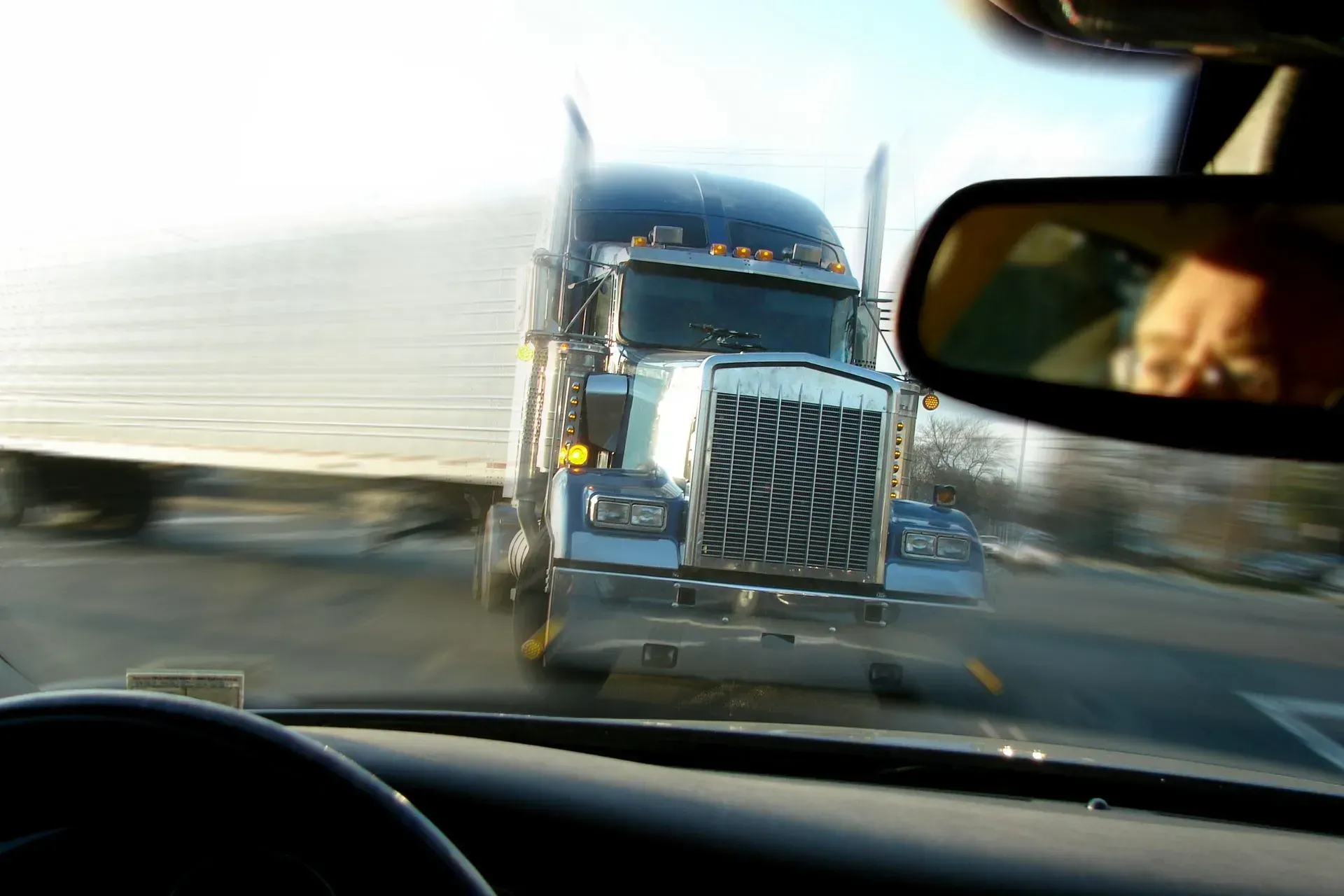
Injured by an 18-wheeler or semi-truck in Azle? We take on large trucking companies and their insurance teams. FREE consultation. No fee UNTIL we win your case.
Free Case Review. Call (817) 444-4878 Now.
No Fees UNTIL We Win. No Win - No Fee. Guarantee.
STOP! READ THIS BEFORE YOU DO ANYTHING ELSE
The trucking company's rapid response team is already at your accident scene. While you're in the emergency room, trucking company lawyers and investigators are:
- Photographing evidence that helps THEIR case
- Interviewing witnesses before you can
- Preparing to "lose" electronic data that proves their driver's fault
- Building their defense strategy to pay you as little as possible
CRITICAL EVIDENCE IS DISAPPEARING RIGHT NOW
Electronic logging device (ELD) data showing the truck driver's hours of service violations, speeding, and other negligence is only required to be kept for 6 months — and trucking companies routinely delete it "accidentally." Their goal is simple: Collect information to protect the trucking company and reduce or eliminate your compensation. Every hour you wait, critical evidence disappears. We send preservation letters immediately to protect your case.
Without a preservation letter from an attorney, trucking companies have NO legal obligation to save this evidence beyond the 6-month minimum. By the time many victims hire a lawyer months after the accident, the most damaging evidence against the trucking company is already gone forever.
OTHER EVIDENCE THAT DISAPPEARS QUICKLY
- Maintenance Records: Trucking companies may "lose" records showing they knew about brake problems, tire issues, or other mechanical defects
- Driver Qualification Files: Records of previous violations, failed drug tests, or inadequate training often go missing
- Cargo Loading Documents: Evidence of overloaded trucks or improperly secured cargo can disappear
- Internal Communications: Emails and texts showing the company pressured drivers to violate safety rules get deleted
- Video Footage: Traffic cameras, dashcam footage, and surveillance video from nearby businesses gets recorded over
- Witness Memories: People forget critical details as time passes, and witnesses become harder to locate
- Physical Evidence: Skid marks fade, debris gets cleaned up, and road conditions change
TEXAS TRUCKING ACCIDENT STATISTICS & DATA
39,393 Commercial Truck Accidents in Texas
Texas leads the nation in trucking crashes
608 Fatalities from Texas Truck Crashes
13% of all U.S. fatal truck accidents occur in Texas
1,601+ Serious Injuries
Suspected serious injuries from commercial vehicle crashes
TRUCKING ACCIDENTS VS. CAR ACCIDENTS: UNDERSTANDING THE CRITICAL DIFFERENCES
Trucking accident cases differ fundamentally from standard car accident claims in several critical ways:
| Factor | Car Accident | Trucking Accident |
|---|---|---|
| Average Vehicle Weight | 4,000 pounds | 80,000 pounds (20x heavier) |
| Stopping Distance at 65 mph | 300-400 feet | 525+ feet (nearly double) |
| Insurance Coverage | $30,000-$100,000 typical | $750,000-$500,000+ |
| Potentially Liable Parties | 1-2 parties | 5-10+ parties |
| Regulatory Compliance | State traffic laws | Federal FMCSR + state laws |
| Evidence Complexity | Police reports, photos | ELD data, maintenance logs, driver qualification files, HOS records |
| Average Settlement | $15,000-$50,000 | $100,000-$1,000,000+ |
THE TRUCKING ACCIDENT CASE PROCESS & TIMELINE : WHAT TO EXPECT
Immediate Actions
- Medical treatment: Seek immediate medical attention, even if injuries seem minor
- Scene documentation: If possible, photograph vehicles, road conditions, and visible injuries
- Police report: Ensure Azle Police Department files an official crash report
- Attorney consultation: Contact Brian Hargrove Law within 24-48 hours
- Evidence preservation: Attorney sends spoliation letters to trucking company demanding ELD data preservation
Investigation Phase
- ELD data retrieval: Subpoena electronic logging device records before 6-month deletion period
- Driver qualification review: Obtain driver's personnel file, training records, and violation history
- Maintenance records: Review truck maintenance logs for mechanical defects
- Witness interviews: Locate and interview all witnesses before memories fade
- Accident reconstruction: Hire experts to analyze crash dynamics
- Medical documentation: Compile complete medical records and prognosis
Demand and Negotiation Phase
- Demand letter: Present comprehensive demand package to insurance company
- Initial offer: Insurance company typically makes lowball initial offer
- Negotiation: Back-and-forth negotiations based on evidence strength
- Mediation: Structured settlement negotiations with neutral mediator (optional)
Litigation Phase (if necessary)
- File lawsuit: File complaint in appropriate Texas court (must file within 2 years of accident)
- Discovery: Exchange evidence, depositions, interrogatories
- Expert reports: Retain and designate expert witnesses
- Trial preparation: Prepare exhibits, witness testimony, trial strategy
- Trial: Present case to jury (if settlement not reached)
Important note: Most trucking accident cases settle before trial, but preparing every case AS IF it will go to trial ensures maximum compensation. Insurance companies pay more when they know your lawyer will actually go to court.
TYPES OF COMMERCIAL TRUCK ACCIDENTS IN AZLE: CAUSES AND LIABILITY
Not all trucking accidents are the same. The type of collision determines the likely cause, liable parties, and strength of your case. Here's what our Azle trucking accident attorneys see most frequently:
JACKKNIFE ACCIDENTS
What happens: The truck's trailer swings out to form a 90-degree angle with the cab, resembling a folding pocket knife. This typically occurs when the truck's rear wheels lock up during braking while the cab continues forward.
Common causes: Improper braking technique, brake system failure, wet or icy roads, speeding, improperly loaded cargo shifting weight distribution
Why it's dangerous: Jackknifed trucks often block multiple lanes of traffic, causing multi-vehicle pile-ups. The swinging trailer can sweep across lanes, crushing passenger vehicles.
Liable parties: Truck driver (improper braking), trucking company (inadequate training), maintenance company (brake system failures), cargo loading company (weight distribution issues)
UNDERRIDE ACCIDENTS
What happens: A passenger vehicle slides underneath the truck's trailer, often shearing off the top of the car. These are among the most catastrophic trucking accidents.
Common causes: Truck driver sudden stops, inadequate trailer lighting, missing or defective underride guards, truck driver cutting off passenger vehicles
Why it's dangerous: Underride accidents have extremely high fatality rates because the passenger vehicle's safety features (crumple zones, airbags) don't engage when the impact point is above the vehicle's hood level.
Liable parties: Truck driver (sudden stops or lane changes), trucking company (failure to maintain required underride guards per 49 CFR § 393.86), trailer manufacturer (defective underride guard design)
WIDE-TURN ACCIDENTS (“SQUEEZE” ACCIDENTS)
What happens: Large trucks require extra space to complete right turns, often swinging left first before turning right. Passenger vehicles positioned to the truck's right can be crushed between the truck and the curb or another vehicle.
Common causes: Driver failure to check blind spots, inadequate turn signals, turning from wrong lane, passenger vehicles attempting to pass on the right
Why it's dangerous: The truck's rear trailer wheels track significantly inside the front wheels during turns, creating a "squeeze zone" that crushes anything caught in between.
Liable parties: Truck driver (failure to check mirrors, improper signaling), trucking company (inadequate training on proper turning procedures)
BLIND SPOT ACCIDENTS (NO-ZONE CRASHES)
What happens: Commercial trucks have massive blind spots where the driver cannot see other vehicles: directly in front, directly behind, and along both sides (especially the right side). Lane changes or merges when vehicles are in these "no-zones" cause devastating side-impact collisions.
Common causes: Inadequate mirror checking, distracted driving, pressure to change lanes quickly, missing or non-functional blind spot detection systems
Why it's dangerous: A fully loaded 80,000-pound truck sideswiping a 4,000-pound passenger vehicle creates extreme force that can push the smaller vehicle off the road or into other traffic.
Liable parties: Truck driver (failure to properly check mirrors), trucking company (failure to install available blind spot detection technology)
ROLLOVER ACCIDENTS
What happens: The truck tips over onto its side or roof, often spilling cargo across multiple lanes and crushing nearby vehicles.
Common causes: Taking turns too fast, improperly distributed cargo, cargo shifts during transit, top-heavy loads, tire blowouts, overcorrection after leaving roadway
Why it's dangerous: Rollovers frequently block entire highways, cause multi-vehicle accidents, and can result in hazardous material spills if the truck carries dangerous cargo.
Liable parties: Truck driver (excessive speed), cargo loading company (improper weight distribution per 49 CFR § 393 Subpart I), trucking company (overloaded trucks exceeding 80,000-pound limit), maintenance company (tire defects)
REAR-END COLLISIONS
What happens: Trucks strike vehicles from behind, often at high speed with devastating consequences due to the weight differential.
Common causes: Driver fatigue, distracted driving, following too closely (tailgating), brake failure, failure to slow for stopped traffic
Why it's dangerous: An 80,000-pound truck requires 525+ feet to stop from highway speed—nearly double a passenger vehicle's stopping distance. When trucks can't stop in time, they crush the vehicles in front of them.
Liable parties: Truck driver (following too closely, distracted driving, HOS violations causing fatigue), trucking company (pressure to meet unrealistic deadlines), maintenance company (brake system failures)
LOST LOAD/CARGO SPILL ACCIDENTS
What happens: Improperly secured cargo falls from the truck, creating road hazards that cause other vehicles to crash while swerving to avoid debris.
Common causes: Inadequate tie-down straps, exceeding cargo weight capacity, improper load distribution, failure to inspect cargo during transit (required by 49 CFR § 392.9)
Why it's dangerous: Large cargo items (construction materials, machinery, furniture) falling onto highways create sudden obstacles that give other drivers no time to react.
Liable parties: Cargo loading company (primary liability for securement failures), truck driver (failure to inspect cargo per federal requirements), trucking company (inadequate securement procedures)
TIRE BLOWOUT ACCIDENTS
What happens: A truck's tire explodes while driving, causing the driver to lose control. Large tire fragments become projectiles that can crash through windshields or cause other vehicles to lose control.
Common causes: Inadequate tire maintenance, underinflated tires, overloaded trucks exceeding tire weight ratings, defective tire manufacturing
Why it's dangerous: Commercial truck tires are massive (often 100+ pounds), and blowout fragments traveling at highway speed can cause severe injuries or death to occupants of nearby vehicles.
Liable parties: Trucking company (failure to maintain proper tire pressure per 49 CFR § 393.75), maintenance contractor (inadequate inspection), tire manufacturer (defective product)
COMMON CAUSES OF AZLE TRUCKING ACCIDENTS
Our Azle trucking accident lawyers have identified these frequent causes of commercial truck crashes:
- Driver Fatigue - Hours of Service violations
- Distracted Driving - Cell phone use, eating, GPS
- Speeding - Pressure to meet delivery deadlines
- Improper Lane Changes - Blind spot accidents
- Inadequate Training - Inexperienced drivers
- Poor Maintenance - Brake failures, tire blowouts
- Overloaded Cargo - Exceeding weight limits
- Improperly Secured Loads - Cargo shifts
- Drunk/Impaired Driving - DUI by truck drivers
- Aggressive Driving - Tailgating, road rage
- Failure to Yield - Intersection violations
- Weather/Road Conditions - Inability to stop
FEDERAL MOTOR CARRIER SAFETY ADMINISTRATION (FMCSA) VIOLATIONS
Trucking companies and drivers must comply with strict federal regulations. Common violations that cause accidents include:
- Hours of Service (HOS) Violations: Drivers required to take mandatory rest breaks; falsifying logbooks is common
- Maintenance Requirements: Regular inspections and repairs required by law
- Driver Qualification Standards: Proper licensing, medical certification, and training
- Cargo Securement Rules: Specific standards for loading and securing freight
- Drug and Alcohol Testing: Mandatory testing programs for commercial drivers
- Weight Restrictions: Maximum 80,000 pounds gross vehicle weight
WHAT IS MY AZLE TRUCKING ACCIDENT CASE WORTH? COMPLETE DAMAGES GUIDE
Understanding Texas Trucking Accident Compensation
Trucking accident cases typically result in significantly higher compensation than standard car accidents due to more severe injuries, higher insurance policy limits, and multiple liable parties. Here's a comprehensive breakdown of what you can recover under Texas law:
Economic Damages (Calculable Financial Losses)
Medical Expenses (Past and Future)
Texas law allows recovery of all reasonable and necessary medical expenses caused by the trucking accident, including:
- Emergency medical care: Ambulance transport, emergency room treatment, trauma center care
- Hospitalization: Surgery, intensive care unit (ICU) stays, hospital room charges
- Physicians and specialists: Orthopedic surgeons, neurosurgeons, pain management specialists, physical medicine doctors
- Diagnostic testing: X-rays, MRIs, CT scans, nerve conduction studies
- Physical therapy and rehabilitation: Inpatient rehab facilities, outpatient PT, occupational therapy
- Medical equipment: Wheelchairs, walkers, home hospital beds, prosthetics
- Home healthcare: In-home nursing, assistance with daily living activities
- Prescription medications: Pain medications, anti-inflammatories, muscle relaxants
- Future medical care: Life care plans prepared by medical experts documenting all future treatment needs and costs
Typical medical costs in severe trucking accidents: Spinal cord injury treatment averages $1,000,000+ in the first year and $180,000+ annually thereafter. Traumatic brain injury treatment often exceeds $500,000 in initial hospitalization alone.
Lost Wages and Loss of Earning Capacity
You can recover compensation for both wages already lost and future earning capacity:
- Past lost wages: All work time missed due to injury, including hourly wages, salary, commissions, bonuses, and benefits
- Future lost wages: If your injuries prevent you from returning to your previous job
- Loss of earning capacity: Reduced ability to earn money in the future, even if you return to some form of work
- Lost business opportunities: For self-employed individuals or business owners
- Lost benefits: Health insurance, retirement contributions, stock options, other employment benefits
Calculating future losses: Vocational experts and economists calculate the present value of all future lost earnings based on your age, education, career trajectory, and injury limitations. For a 35-year-old earning $75,000/year who can no longer work, lifetime earning capacity losses can exceed $2,000,000.
Property Damage
- Vehicle repair or replacement: Fair market value if your vehicle is totaled
- Personal property: Phones, laptops, clothing, or other items damaged in the crash
- Diminished value: Loss of resale value even after repairs (Texas recognizes diminished value claims)
- Rental vehicle: Reasonable rental costs while your vehicle is repaired or until settlement
Other Economic Damages
- Home modifications: Wheelchair ramps, widened doorways, accessible bathrooms for catastrophic injuries
- Vehicle modifications: Hand controls, wheelchair lifts, other adaptive equipment
- Household services: Lawn care, housecleaning, child care you can no longer perform yourself
Non-Economic Damages (Quality of Life Losses)
These are real, compensable losses even though they don't have a specific dollar value attached:
Pain and Suffering
Compensation for physical pain and discomfort caused by your injuries, including:
- Immediate trauma and pain from the accident itself
- Pain during medical treatment, surgeries, and recovery
- Chronic ongoing pain that continues indefinitely
- Future pain you'll experience from permanent injuries
Mental Anguish and Emotional Distress
- Depression, anxiety, and post-traumatic stress disorder (PTSD)
- Fear of driving or riding in vehicles after the accident
- Sleep disturbances and nightmares
- Loss of confidence and self-esteem from disfigurement or disability
- Emotional impact of permanent life changes
Loss of Enjoyment of Life
Compensation for your inability to enjoy activities and experiences you participated in before the accident:
- Sports and recreational activities you can no longer do
- Hobbies you can't pursue due to physical limitations
- Social activities and gatherings you must miss
- Travel experiences now impossible due to your injuries
- Life milestones you'll miss (walking daughter down the aisle, playing with grandchildren)
Disfigurement and Scarring
Permanent changes to your physical appearance from burns, lacerations, or surgical scars, including:
- Visible scars on face, neck, arms, or other exposed areas
- Burn injuries causing permanent skin damage
- Amputations of limbs or digits
- Facial injuries requiring reconstruction
Why it matters: Visible disfigurement can affect employment opportunities, social relationships, and psychological wellbeing. Texas juries award substantial compensation for permanent disfigurement.
Loss of Consortium
Spouses can recover damages for loss of companionship, affection, sexual relationship, and household services. This is a separate claim from the injured person's damages.
Punitive Damages (Punishment for Extreme Conduct)
Texas allows punitive damages when the defendant's conduct involved fraud, malice, or gross negligence. In trucking cases, this includes:
- Drunk or drugged driving: Truck drivers operating under the influence
- Falsified logbooks: Deliberately violating hours of service rules
- Known safety violations: Companies that knowingly allow unsafe trucks on the road
- Reckless disregard for safety: Extreme speeding, aggressive driving, or intentional misconduct
Caps on punitive damages: Texas caps punitive damages at the greater of (1) 2x economic damages plus $750,000, or (2) $200,000. However, there's no cap if the defendant's conduct involved felony conduct or explicit malice.
Special Considerations for Wrongful Death Cases
When trucking accidents result in death, surviving family members can pursue wrongful death claims under Texas Civil Practice and Remedies Code § 71.004, recovering:
- Loss of love, companionship, and emotional support: Non-economic damages for loss of relationship
- Loss of household services: Value of services the deceased provided to the family
- Loss of financial support: Present value of earnings the deceased would have provided
- Mental anguish: Grief, sorrow, and emotional suffering of surviving family
- Loss of inheritance: Wealth the deceased would have accumulated and passed to heirs
- Funeral and burial expenses: Reasonable costs of final arrangements
Factors That Increase Your Trucking Accident Compensation
- Severity of injuries: Catastrophic injuries command higher settlements
- Permanent disability: Lifetime limitations increase future damages
- Clear liability: Strong evidence of trucking company negligence
- Multiple defendants: More liable parties = more insurance coverage
- Regulatory violations: Proof of FMCSR violations strengthens your case
- Young victims: Longer lifetime of lost earnings and suffering
- High income: Greater lost wage claims
- Sympathetic circumstances: Compelling facts that resonate with juries
MEDICAL TREATMENT AFTER AZLE TRUCKING ACCIDENTS: WHAT TO EXPECT
The moments and hours after a trucking accident are medically critical. Here's what typically happens and why each step matters for both your health and your legal case:
Emergency Response and Transport
When emergency services arrive at a trucking accident scene in Azle, they follow a specific protocol:
- Scene assessment: Paramedics evaluate all victims for life-threatening injuries
- Trauma triage: Most serious injuries go to trauma centers, not regular ERs
- C-spine immobilization: Potential spinal injuries require special backboards and neck collars
- Transport destination: Severe trucking accident victims typically go to Baylor Scott & White All Saints Medical Center - Fort Worth (Level II Trauma Center) or JPS Health Network (Level I Trauma Center)
Why it matters legally: The ambulance report documenting your initial injuries becomes critical evidence. Insurance companies will claim injuries documented days later weren't caused by the accident.
Emergency Room Evaluation
Trucking accident victims typically receive comprehensive trauma evaluation including:
- Primary survey: Assessment of airway, breathing, circulation, disability, exposure (ABCDE protocol)
- Imaging studies: CT scans of head, neck, chest, abdomen; X-rays of all potentially injured areas
- Lab work: Blood tests to identify internal bleeding, organ damage
- Neurological evaluation: Assessment for traumatic brain injury, spinal cord injury
- Orthopedic assessment: Identification of fractures, dislocations, ligament tears
COMMON INJURIES FROM AZLE TRUCKING ACCIDENTS
Traumatic Brain Injury (TBI)
How it happens: Blunt force trauma from impact, whiplash causing brain to strike skull, penetrating injuries
Severity levels:
- Mild TBI (concussion): Brief loss of consciousness, confusion, headaches - often missed initially but can have long-term effects
- Moderate TBI: Loss of consciousness lasting minutes to hours, visible skull fractures, brain contusions visible on CT scan
- Severe TBI: Extended unconsciousness, coma, significant brain damage visible on imaging
Treatment: ICU monitoring, medications to reduce brain swelling, possible surgery to relieve pressure, long-term rehabilitation
Long-term effects: Memory problems, personality changes, difficulty concentrating, emotional regulation issues, permanent disability in severe cases
Average lifetime costs: Severe TBI treatment averages $3,000,000-$5,000,000 over a lifetime
Spinal Cord Injuries
How it happens: Truck impact causes vertebrae to fracture or dislocate, damaging the spinal cord
Injury classifications:
- Complete injury: Total loss of sensation and voluntary movement below injury level
- Incomplete injury: Some sensation or movement remains below injury site
- Tetraplegia (quadriplegia): Injury to cervical spine affecting all four limbs
- Paraplegia: Injury to thoracic or lumbar spine affecting legs and lower body
Treatment: Emergency surgery to stabilize spine, high-dose steroids (controversial), extensive inpatient rehabilitation (3-6 months typical)
Long-term needs: Wheelchairs, home modifications, attendant care, bowel/bladder management, pressure ulcer prevention, lifetime medical monitoring
Average lifetime costs: High-level tetraplegia (C1-C4): $5,000,000+; Paraplegia: $2,500,000-$3,000,000
Multiple Fractures
Most common fractures in trucking accidents:
- Femur (thigh bone): Requires surgery with rods/plates, 3-6 months recovery
- Pelvis: Extremely painful, often requires extended bed rest, risk of internal bleeding
- Ribs: Multiple rib fractures can puncture lungs (pneumothorax), causing collapsed lung
- Facial bones: Orbital fractures, jaw fractures requiring reconstruction
- Vertebrae: Compression fractures in spine, may require fusion surgery
Treatment: Often requires immediate surgery (ORIF - open reduction internal fixation), long-term physical therapy, possible permanent hardware implants
Internal Organ Damage
Common internal injuries:
- Liver laceration: Can cause life-threatening internal bleeding
- Spleen rupture: Often requires emergency spleen removal (splenectomy)
- Kidney damage: Can lead to kidney failure requiring dialysis
- Bowel perforation: Causes peritonitis, requires emergency surgery
- Lung contusion: Bruised lung tissue affecting breathing
Why it's dangerous: Internal injuries may not be immediately apparent but can be life-threatening. This is why you must go to the ER even if you "feel fine."
Severe Burns
How it happens: Fuel tank ruptures, electrical fires in truck, friction from being dragged across pavement
Burn classifications:
- Second-degree burns: Blistering, extreme pain, scarring likely
- Third-degree burns: Full-thickness burns destroying all skin layers, requires skin grafts
- Fourth-degree burns: Damage extends to muscle and bone
Treatment: Burn unit care, multiple surgeries, skin grafts, debridement (removal of dead tissue), infection prevention, scar revision surgeries
Long-term effects: Permanent scarring, disfigurement, limited mobility in affected areas, psychological trauma
Amputations
Types:
- Traumatic amputation: Limb severed in the accident itself
- Surgical amputation: Doctors must amputate due to crush injuries, irreparable damage, or infection
Treatment: Emergency surgery, wound care, prosthetic fitting, extensive physical therapy and occupational therapy
Lifetime costs: Prosthetics must be replaced every 3-5 years at $50,000-$100,000+ each, plus ongoing medical care
WHY YOU MUST SEEK MEDICAL TREATMENT IMMEDIATELY
Medical Reasons
- Hidden injuries: Internal bleeding, brain injuries, and spinal damage may not cause immediate pain
- Adrenaline masks pain: Your body's stress response can make you feel fine initially
- Delayed symptoms: Many serious injuries don't show symptoms for hours or days
- Worsening without treatment: Untreated injuries often become worse and harder to treat
Legal Reasons
- Insurance defense tactic: Gaps in treatment = insurance claims you weren't really injured
- Causation disputes: Delayed treatment lets insurance argue something else caused your injuries
- Documenting injuries: Medical records from day-of-accident are your strongest evidence
- Following doctor's orders: Missing appointments gives insurance ammunition to reduce your settlement
CRITICAL: Even if you feel fine, go to the ER or urgent care the same day. Tell doctors about EVERY area that hurts, even minor pain. This creates the medical record you'll need to prove your case.
LOCAL MEDICAL FACILITIES TREATING AZLE TRUCKING ACCIDENT VICTIMS
- Texas Health Harris Methodist Hospital Alliance — 10864 Texas Health Trail, Fort Worth, TX 76244 (closest major hospital to Azle)
- JPS Health Network — 1500 S Main St, Fort Worth, TX 76104 (Level I Trauma Center for severe injuries)
- Baylor Scott & White All Saints Medical Center — 1400 8th Ave, Fort Worth, TX 76104 (Level II Trauma Center)
INSURANCE COMPANY TACTICS: HOW THEY TRY TO REDUCE YOUR TRUCKING ACCIDENT SETTLEMENT
Insurance companies are for-profit businesses. Their profits increase when they pay less on claims. When you're injured in a trucking accident in Azle, you're not dealing with a friendly neighbor helping you out — you're dealing with a billion-dollar corporation that has one goal: minimize what they pay you.
Common Tactics Insurance Adjusters Use
The Quick Settlement Offer
What happens: Within days of your accident, before you've even finished initial medical treatment, the insurance adjuster calls offering a "fair settlement" if you sign immediately.
Why they do it: They know you don't yet know the full extent of your injuries. Many serious injuries (herniated discs, traumatic brain injuries, internal injuries) don't fully manifest for weeks or months. Once you sign, you can't come back for more money even if you discover you need surgery or have permanent disability.
Example: They offer $25,000 for your "minor injuries." You accept. Three weeks later, your doctor says you need $75,000 spinal surgery. Too late—you already settled.
What we do: We never let clients settle until they've reached "maximum medical improvement" (MMI)—meaning doctors know the full extent of permanent injuries and all future medical needs.
The Recorded Statement Trap
What happens: The adjuster calls and says they "just need to get your side of the story" and would like to record a quick statement. They act friendly and sympathetic.
Why it's a trap: They're not trying to help you — they're trying to get you to say something they can use against you later. Common traps include:
- Asking how you feel ("I'm okay") — later used to claim you weren't injured
- Asking what happened — looking for any statement suggesting you were partially at fault
- Asking about prior injuries — looking for pre-existing conditions to blame
- Asking if you've seen a doctor — any delay used to claim injuries aren't serious
What we do: We tell clients to NEVER give recorded statements to the other driver's insurance company. You have no legal obligation to do so. Let your attorney handle all communication.
Surveillance and Social Media Monitoring
What happens: Insurance companies hire private investigators to follow you and videotape your activities. They also extensively monitor your social media profiles.
What they're looking for:
- You doing physical activities that contradict your claimed limitations
- Social media posts showing you at parties, exercising, traveling
- Photos or videos that make you look happy and healthy
- Any statement you make about the accident, your injuries, or the case
Example: You claim permanent back injury preventing you from working. Investigator videos you lifting groceries from your car. At trial, they show the video claiming you're faking your injuries.
What we do: We advise clients to make all social media profiles private and post nothing about their case, injuries, or activities during litigation. We also warn clients that insurance investigators may be following them.
The "Independent" Medical Examination (IME)
What happens: The insurance company demands you see "their doctor" for an "independent" examination to verify your injuries.
The truth: These doctors are NOT independent. They're hired by insurance companies repeatedly and paid well ($2,000-$5,000 per exam) to minimize injuries. Studies show IME doctors find no injury or minimal injury in 90%+ of cases.
Common IME tactics:
- Claiming your injuries were pre-existing, not accident-related
- Stating you've reached MMI when you clearly haven't
- Saying no further treatment is necessary (contradicting your actual doctors)
- Finding you capable of full work duty when you're clearly disabled
What we do: We prepare clients extensively for IMEs, ensure the exam is videotaped when possible, and hire our own medical experts to counter biased IME reports.
Comparative Negligence Arguments
What happens: Even when their truck driver was clearly at fault, insurance companies try to shift some blame to you.
Why they do it: Texas follows "modified comparative negligence" rules. If you're 25% at fault, your compensation reduces by 25%. If you're 51%+ at fault, you get nothing.
Common arguments:
- "You were speeding too" (even if you were going 5 mph over)
- "You were following too closely"
- "You weren't paying attention"
- "You didn't brake soon enough"
- "You were in the truck's blind spot" (ignoring that truck driver must check blind spots)
What we do: We conduct thorough accident reconstruction, obtain all available evidence (dashcam footage, traffic camera footage, witness statements, truck's black box data) proving the truck driver's fault and your lack of fault.
Delay Tactics
What happens: The insurance company drags out your claim for months or years, constantly requesting more documentation, "reviewing" information, claiming they need more time.
Why they do it: They know you're facing medical bills, lost wages, and financial pressure. The longer they wait, the more desperate you become, making you more likely to accept a lowball offer just to get something.
What we do: We file lawsuits when necessary to force action. Once litigation begins, courts impose deadlines insurance companies must meet. We also negotiate with medical providers to delay billing or accept reduced payments until settlement.
Disputes Over Medical Treatment
What happens: Insurance companies claim your medical treatment is "unnecessary," "excessive," or "unrelated to the accident."
Common attacks:
- "You don't need that surgery, conservative treatment is sufficient"
- "Physical therapy beyond 6 weeks is excessive"
- "That pain medication is too expensive, use over-the-counter drugs"
- "Your chiropractor is just running up bills"
The reality: Insurance companies aren't doctors and have no business second-guessing your physician's treatment recommendations.
What we do: We work with your treating physicians to document medical necessity, obtain detailed treatment plans and justifications, and hire medical experts to testify that treatment was appropriate and necessary.
The "Policy Limits" Excuse
What happens: Adjuster claims they've offered the maximum policy limits and can't pay more, even though your injuries clearly exceed that amount.
Why it may be false:
- They may be hiding excess coverage or umbrella policies
- Multiple liable parties means multiple insurance policies
- The trucking company itself may have assets beyond insurance
What we do: We thoroughly investigate all available insurance coverage, identify all potentially liable parties (driver, trucking company, maintenance company, cargo loaders, truck manufacturer), and pursue every available source of compensation.
RED FLAGS THAT INSURANCE COMPANIES ARE LOWBALLING YOU
- They make an offer before you've completed medical treatment
- The offer is made within weeks of the accident
- They pressure you to settle quickly ("this offer expires in 48 hours")
- They suggest you don't need an attorney
- They downplay the severity of your injuries
- Their offer is a round number (like exactly $50,000) with no breakdown
- They don't explain how they calculated the offer
- The offer doesn't cover even your current medical bills
- They ignore lost wages or future medical needs
WHY YOU NEED AN ATTORNEY TO DEAL WITH INSURANCE COMPANIES
The statistics are clear: Studies consistently show that trucking accident victims who hire attorneys recover 3-4x more compensation than those who handle claims themselves, even after attorney fees are deducted.
What attorneys know that you don't:
- Actual case values based on jury verdicts in similar cases
- How to identify and counter insurance company tactics
- How to prove the full extent of your damages
- How to find hidden insurance coverage
- How to identify all liable parties
- How to navigate complex federal trucking regulations
- When to settle vs. when to take the case to trial
Remember: The insurance adjuster is NOT your friend. They're trained professionals working to minimize your settlement. You need a trained professional on YOUR side fighting to maximize your compensation.
FREQUENTLY ASKED QUESTIONS ABOUT AZLE TRUCKING ACCIDENT CASES
What is the average settlement for a trucking accident in Texas?
Trucking accident settlements in Texas vary significantly based on injury severity. Trucking cases typically involve higher compensation than car accidents due to more severe injuries, higher insurance policy limits, and multiple liable parties. Federal law requires commercial trucks to carry minimum insurance of $750,000, with many carriers holding $1,000,000-$5,000,000 policies.
Who can be held liable in an Azle trucking accident?
Unlike car accidents where typically only one party is liable, trucking accidents often involve multiple defendants who share responsibility:
- The truck driver
- The trucking company
- The truck owner
- The cargo loading company
- Maintenance contractors
- Truck manufacturer
- Parts manufacturers
- Brokers/shippers
Identifying all potentially liable parties is critical because it increases available insurance coverage and ensures maximum compensation. This is why you need an experienced trucking accident attorney who understands the complex web of trucking industry relationships.
How long does Electronic Logging Device (ELD) data remain available in Texas trucking accidents?
This is one of the most critical timing issues in trucking accident cases. Under federal regulation 49 CFR § 395.8(k), trucking companies are only required to preserve ELD data for 6 months from the date of receipt.
What ELD data contains:
- Precise vehicle speed data showing speeding violations
- Hours of service records proving driver fatigue
- GPS location data confirming accident location and route
- Hard braking events indicating aggressive driving
- Engine diagnostics showing mechanical warnings the driver ignored
- Odometer readings and trip distances
The 6-month problem: Many trucking accident victims wait months before hiring an attorney, by which time the trucking company has already "lost" or deleted critical ELD data. Once deleted, this evidence cannot be recovered—it's gone forever.
What we do immediately: When you hire Brian Hargrove Law within 24-48 hours of your accident, we immediately send spoliation letters (evidence preservation demands) to the trucking company, their insurer, and any third-party maintenance contractors. These letters create a legal obligation to preserve ALL electronic evidence, extending far beyond the 6-month minimum. Failure to preserve evidence after receiving a spoliation letter can result in sanctions against the trucking company and strengthens your case significantly.
Bottom line: If you've been in a trucking accident, call us TODAY, not next week or next month. Evidence disappears quickly, and with it, your ability to prove what really happened.
How long do I have to file a trucking accident lawsuit in Texas?
Texas has a two-year statute of limitations for personal injury claims under Texas Civil Practice and Remedies Code § 16.003. This means you have two years from the date of the accident to file a lawsuit.
Important exceptions:
- Wrongful death cases: Also two years, but the clock starts on the date of death (which may be different from the accident date)
- Government vehicles: If the truck was owned by a government entity, you may need to file an administrative claim within 6 months
- Minors: If the victim is under 18, the statute of limitations doesn't begin until they turn 18
Why you shouldn't wait: Even though you have two years to file a lawsuit, you should contact an attorney immediately because:
- Evidence disappears quickly (ELD data after 6 months, witness memories fade)
- Insurance companies take you more seriously if you have early legal representation
- Building a strong case takes time
- Medical treatment documentation needs to be handled properly from day one
What should I do immediately after a trucking accident in Azle?
Immediate priorities (at the scene):
- Call 911: Report the accident to Azle Police Department
- Seek medical attention: Even if you feel fine, get evaluated by paramedics
- Document the scene: Take photos of vehicles, road conditions, injuries, skid marks, debris
- Gather information: Get truck driver's CDL, trucking company name, insurance info, DOT number
- Identify witnesses: Get names and contact information
- DON'T apologize or admit fault: Anything you say can be used against you
- DON'T give recorded statements: To anyone except police
Within 24-48 hours:
- Go to the emergency room or urgent care: Even if you declined ambulance transport, get medical evaluation
- Contact Brian Hargrove Law: We need to send evidence preservation letters immediately
- Report to your insurance: But don't give detailed statements without attorney guidance
- Document your injuries: Photograph visible injuries daily
- Keep all medical records and bills: You'll need these for your claim
- Don't post on social media: About the accident, your injuries, or anything related to the case
Do I need a lawyer if the insurance company offers a settlement?
Yes, you should always consult with an attorney before accepting any settlement offer. Here's why:
Insurance companies typically offer much less than your case is worth because:
- They make offers before you know the full extent of your injuries
- They don't account for future medical expenses
- They minimize or ignore lost earning capacity
- They don't properly value pain and suffering
- They use formulas that benefit them, not you
Studies show that accident victims who hire attorneys recover significantly more compensation than those who handle claims themselves - typically 3-4x more, even after attorney fees are deducted.
An attorney can:
- Properly value your claim based on similar jury verdicts
- Identify all liable parties and insurance policies
- Gather evidence the insurance company is hiding
- Counter insurance company tactics
- Negotiate from a position of strength
- Take the case to trial if necessary
Remember: Once you accept a settlement and sign a release, you cannot come back for more money if you discover additional injuries or your condition worsens. The insurance company knows this—that's why they rush to settle.
What if the truck driver doesn't have insurance or enough insurance?
This is unfortunately common, but you may still have options:
- Underinsured Motorist (UIM) Coverage: If the truck driver's insurance is insufficient to cover your damages, your own UIM coverage may make up the difference. Texas law doesn't require UIM coverage, but many policies include it.
- Multiple Liable Parties: Trucking accidents often involve multiple defendants—the driver, the trucking company, maintenance contractors, cargo loaders, equipment manufacturers. Each may have separate insurance policies, increasing total available compensation.
- Excess Coverage: Large trucking companies often carry excess or umbrella policies beyond their primary insurance. An attorney can investigate to find all available coverage.
- Company Assets: If insurance is exhausted, the trucking company's business assets may be available to satisfy a judgment.
- Bad Faith Claims: If an insurance company acts in bad faith (unreasonably denying or delaying valid claims), they may be liable for damages beyond policy limits.
Our Azle trucking accident lawyer thoroughly investigates all potential sources of compensation to ensure you receive maximum recovery.
How much does it cost to hire an Azle trucking accident lawyer?
Our trucking accident attorney works on a contingency fee basis, meaning:
- No upfront costs: You pay nothing to hire us
- No attorney fees UNTIL we win: We only get paid if we recover compensation for you
- We advance all case expenses: Investigation costs, expert witnesses, court filing fees—we pay these and get reimbursed from the settlement
- Free consultation: The initial case review is completely free with no obligation
Typical contingency fee structure:
- If we settle before filing a lawsuit: 33.33% of recovery
- If we must file a lawsuit: 40% of recovery
- All case expenses are reimbursed from the settlement
Why this benefits you:
- You risk nothing by hiring us
- We're motivated to maximize your recovery (we get paid more when you do)
- You get experienced legal representation regardless of your financial situation
- You can focus on healing while we handle the legal battle
Compare this to insurance companies: They have teams of lawyers on salary working to minimize your compensation. You need equally powerful representation on YOUR side.
GET YOUR FREE TRUCKING ACCIDENT CONSULTATION TODAY
Don't face large trucking companies alone. Our Azle trucking accident lawyers have the experience and resources to take on corporate defendants and their insurance teams. Time is critical — evidence disappears quickly.
Contact Brian Hargrove Law at (817) 444-4878 today for a free consultation.
ADDITIONAL RESOURCES
Important Links
- Azle Police Department — For crash reports and accident records
- Texas Department of Transportation (TxDOT) — Motor vehicle crash statistics
- Federal Motor Carrier Safety Administration (FMCSA) — Federal trucking regulations and safety data
AREAS WE SERVE
While we handle Azle trucking accident cases, we also serve clients throughout North Texas, including Weatherford, Springtown, Fort Worth, Mineral Wells, Boyd, Decatur, Rhome, Newark, and the greater Dallas-Fort Worth metroplex.
FIRM BLOG